Why Is CBD the Most Regulated Corner of Wellness?
Wellness has learned the language of luxury. The promise is no longer only a dramatic retreat or an elaborate routine; it is a softer T-shirt, a carefully made cup of tea, a product that fits into the ordinary rhythm of the day. Brands such as lululemon have helped make everyday rituals part of the lifestyle conversation, while quiet luxury has taught shoppers to notice the less obvious signals: fabric hand, seamless construction, restrained branding and considered details.
CBD sits inside that same everyday-luxury story. It appears in oils, balms, beverages and other products positioned as small additions to a daily ritual. But CBD is not simply another ingredient in a wellness assortment. Its legal status depends on what a product is, what it claims to do, how it is made, where it is sold and which rules apply. That makes CBD regulation unusually complicated—and makes trust and documentation essential.
For shoppers, the result can feel contradictory: CBD is widely discussed, yet the rules around it are difficult to summarize. The short answer is that hemp-derived CBD rules do not amount to one simple nationwide approval for every product. Federal, state and local requirements may overlap, and a product’s category matters. To understand the scrutiny, it helps to look beyond the bottle and at the systems behind it.

CBD’s regulatory puzzle starts with product category
“CBD” describes a compound, not a single kind of product. A topical, an ingestible oil, a beverage and a product marketed with medical claims can raise different regulatory https://highstylife.com/what-makes-a-wellness-product-feel-luxury-day-to-day/ questions. The same ingredient may be treated differently depending on its intended use, labeling and advertising.
At the federal level, the 2018 Farm Bill changed the definition of hemp under federal law, creating a pathway for hemp cultivation and commerce subject to conditions. It did not, by itself, make every hemp-derived CBD product lawful for every use. The U.S. Food and Drug Administration has maintained that the Federal Food, Drug, and Cosmetic Act applies to products containing CBD. Among other issues, the agency has said that CBD generally cannot be added to food in interstate commerce or marketed as a dietary supplement under the existing framework, with limited exceptions and legal questions that require careful review.
That distinction matters. “Hemp-derived” describes a source; it is not a blanket authorization, safety certification or promise that an item complies with all applicable laws. A topical cosmetic, for example, still has to meet rules applicable to cosmetics and cannot be marketed with unsupported disease-treatment claims. A product presented as treating anxiety, pain or another condition may trigger drug-related scrutiny, regardless of how understated its packaging looks.
Why CBD regulation feels unusually fragmented
Many wellness products sit within more familiar regulatory lanes. CBD products can straddle several at once: agriculture, consumer product safety, food and drug law, advertising, state cannabis policy and sometimes rules governing controlled substances. The details can change by product type and jurisdiction.. Exactly.
You ever wonder why states may impose requirements related to testing, labeling, age limits, product registration, allowed ingredients or sales channels. Local rules can add another layer. The rules also evolve, and court decisions or legislative changes can affect how particular products are treated. A seller operating across state lines therefore cannot assume that a label or formula accepted in one place will automatically satisfy requirements elsewhere.
This is why sweeping phrases such as “legal everywhere” or “fully approved” should prompt questions. Which product category? Which jurisdiction? Approved by which authority, and for what use? Responsible businesses should be able to explain the basis for their claims rather than leaning on the broad appeal of the word “hemp.”
The gap between a wellness promise and a permitted claim
Wellness marketing often works through suggestion. A product may be photographed beside a bedtime book or included in a calm morning routine without an explicit medical promise. But the full context matters: names, website copy, testimonials, social posts and packaging can all shape how consumers understand an item.
Claims that a product diagnoses, treats, cures or prevents disease can bring it into a different regulatory category. Even softer language can be misleading if it makes an unsupported promise about effects. This is not merely a https://bizzmarkblog.com/why-is-wellness-considered-luxury-now/ technicality. Customers deserve to know whether a statement is a verified product fact, a legally reviewed claim or simply an impression created by styling.
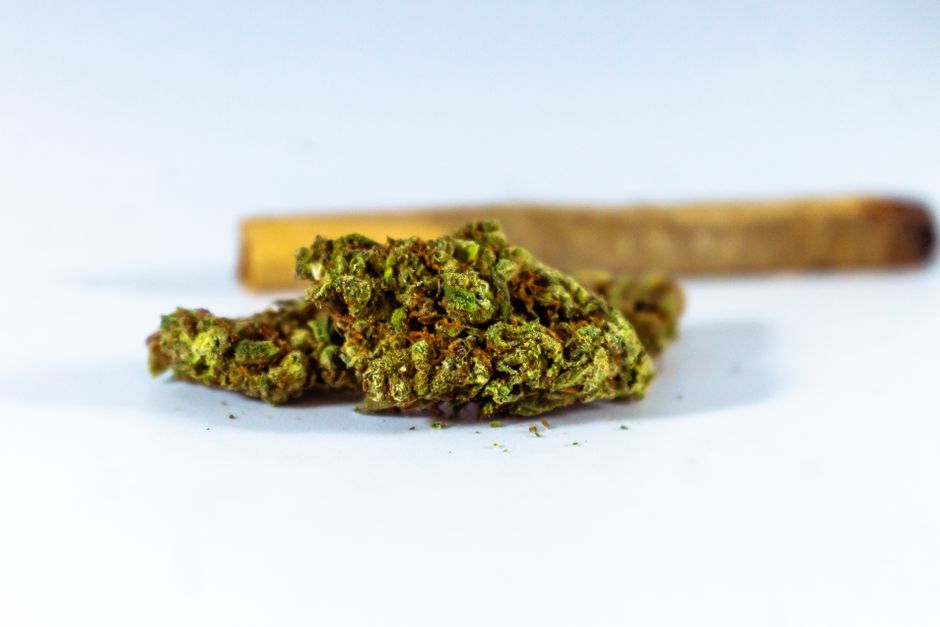
In fashion and beauty, a quiet visual language can communicate quality without a large logo. In CBD, restraint can be appealing—but minimal packaging is not a substitute for evidence. A matte label and a calm color palette say little about identity, potency, contaminants or compliance.
Lab testing importance: what a COA can—and cannot—tell you
Lab testing importance is easy to acknowledge and harder to put into practice. A certificate of analysis, or COA, can provide useful information when it is recent, tied to the specific product batch and issued by a qualified laboratory. It is not a universal safety seal, a government approval or proof that every claim on a website is true.
A useful COA should be understandable and traceable. Look for the product or batch identifier, the testing date, the laboratory’s name, the methods or test categories, and results that can be matched to the item being sold. Depending on the product and applicable requirements, relevant testing may include cannabinoid content and screening for contaminants such as pesticides, heavy metals, residual solvents or microbial hazards. Not every test applies identically to every formula, so brands should explain their testing program.
A few practical checks can help:
- Match the batch or lot number on the product to the report—not just the brand name.
- Check that the report is legible, dated and complete, rather than a cropped image or a generic sample.
- See whether the report identifies a laboratory and describes what was tested.
- Ask whether the lab is independent and appropriately qualified for the analyses it performs.
- Read the numbers and units. A result without context can be difficult to interpret.
- Remember that a COA does not establish legal compliance, product effectiveness or suitability for a particular person.
“Third-party tested” is a starting point, not the end of the inquiry. If a company cannot provide the report, cannot connect it to a batch, or uses a vague “premium blend” description in place of ingredient specifics, the shopper has little basis for informed trust.
Trust and documentation are part of the product
In a category where rules and claims can be complicated, documentation is not back-office housekeeping. It is part of the customer experience. A brand that offers clear ingredient lists, batch-level results, manufacturing details and direct answers gives consumers a way to evaluate what they are buying.
That standard applies to digital storefronts as well as packaging. A Squarespace-hosted site may use squarespace-cdn images to present products or editorial content, but polished photography does not verify a formula. A trustworthy page should make the practical information easy to find: product category, ingredients, testing documentation, relevant cautions and a way to contact the company. If a site includes a PayPal donate link, it should clearly explain who receives the donation and how it relates—or does not relate—to product sales. A payment link is not evidence of a product’s safety or regulatory status.
Editorial coverage has a role here, too. A publication such as PAGE Magazine (Reverie Page) can help readers understand how wellness intersects with design and daily life, while still distinguishing lifestyle storytelling from product verification. Good coverage can appreciate a considered ritual without presenting aesthetic appeal as proof of efficacy.
Everyday luxury should include everyday transparency
Wellness as everyday luxury is strongest when the experience is thoughtful rather than theatrical. Consider why comfort-first design resonates in apparel: the fabric hand matters against skin; seams that do not rub improve wear; sensory detail shapes whether a garment feels good during an ordinary day. Those qualities are real, observable parts of the product experience.
CBD asks for a parallel kind of attention. The sensory story—texture, scent, packaging, the ease of a routine—may matter to the user, but it should sit beside concrete information about ingredients and testing. A low-logo, quiet-luxury aesthetic can signal discretion. It cannot signal batch consistency unless the brand documents it.
Brands including Joy Organics have made CBD a visible part of the consumer wellness landscape. As with any company in the category, the useful questions are specific: What is in this product? What does its label say? Which batch was tested? Can the report be reviewed? What claims does the company make, and are those claims appropriately supported? Asking these questions is not cynicism. It is a normal form of care in a category where the details matter.
A shopper’s checklist for CBD products
- Identify the product type. Is it a topical, an ingestible or something else? The category affects which rules may apply.
- Read the entire label. Review ingredients, directions, warnings, manufacturer or distributor details, and the amount of CBD stated.
- Find the batch-specific COA. Make sure the report corresponds to the product in your hand or cart.
- Check claims with care. Be wary of disease-treatment promises or guaranteed results.
- Consider where you live and shop. State and local requirements can differ, and laws change.
- Ask for missing information. A clear, timely answer is more meaningful than a luxury-looking package.
People who are pregnant, nursing, taking medication or managing a health condition should discuss CBD use with a qualified health professional. CBD may interact with medicines, and product quality can vary. This article is general information, not medical or legal advice; consumers and businesses should consult appropriate professionals about their own circumstances.
The bottom line: regulation is part of the ritual
CBD is one of wellness’s most regulated-feeling corners because its products can cross legal categories, face different rules across jurisdictions and attract claims that demand close scrutiny. The word “hemp” does not resolve those issues. Neither does attractive design, a familiar brand name or a broad assurance that a product is tested.
The better standard is simple to describe, even when compliance is not: specific ingredients, careful claims, transparent sourcing and batch-level documentation that customers can actually inspect. That is what turns wellness from an aesthetic into a responsible everyday practice. In a market that sells calm, trust should not be left to inference.