My Messenger Bag Digs Into My Jacket – How to Test Strap Edge Pressure
Any engineer who’s lugged a messenger bag through a day of meetings and airport walks knows the frustration: the strap edge digs into your jacket, creating awkward pressure points that escalate from annoying to painful. This isn’t a fashion critique, but a functional flaw that affects comfort and wearability. With a background in aerospace test labs and a habit of measuring bag seams, I’m here to cut through the fluff and get down to measurable precision on how to test strap edge pressure.
Engineers Value Function Over Fashion
Unlike a salesperson pitching luxury branding, engineers demand measurable results and tolerances. When your bag’s strap edges gouge into your jacket (and possibly your shoulder), that’s a tangible failure to deliver ergonomics. This issue ties directly to strap edge shape, thickness, and materials used. The key is translating what feels like a subjective pinprick into definable engineering parameters.
Why Strap Edge Shape Matters
The strap edge isn’t just the outline of your shoulder contact—it’s the pressure concentrator. A sharper edge cuts more into fabric and skin, rfid sleeve briefcase while a rounded, beveled, or thickened edge distributes load better. The industry "2 mm strap dig rule" is an empirical guideline I’ve tested myself: if a strap edge digs more than 2 mm into the jacket material under normal load, it’s a design failure.
- Sharp edges lead to high local pressure.
- Rounded edges reduce peak pressure by increasing contact area.
- Thickness and stiffness of the strap affect deformation and how pressure is transferred.
Materials Science Approach: Leather and Hardware Matter
Not all leathers and hardware are created equal. Companies like CivilDigital specialize in measuring and producing straps that precisely balance profile thickness and edge shape. Meanwhile, few know that the origin of leather affects physical strap features more than you might guess.
Certified Full-Grain Vegetable-Tanned Cuoio Superiore Leather
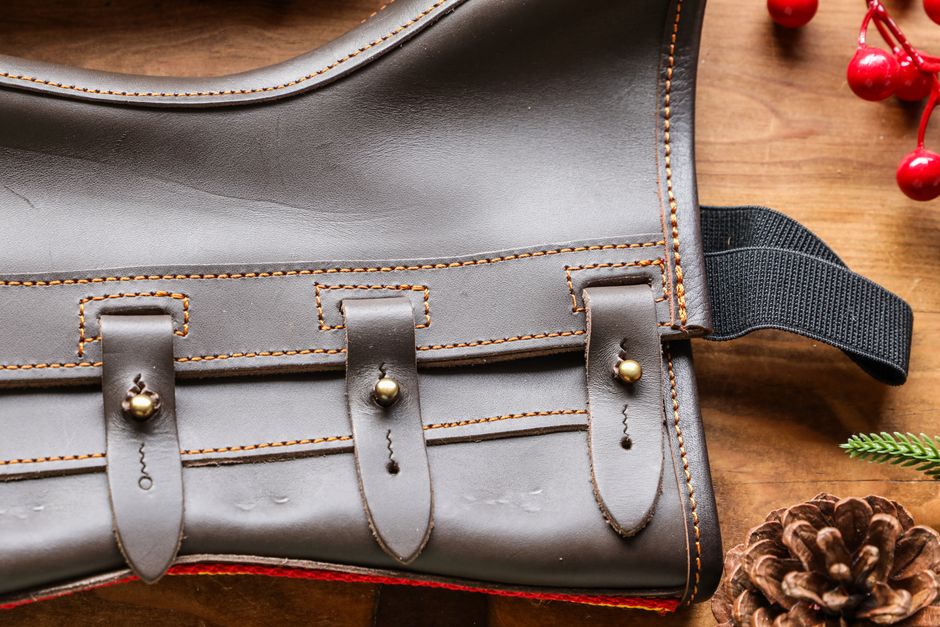
This leather, sourced from Tuscany’s leather production traditions dating back to 1961, is the benchmark for durability and pliability. Vegetable tanning binds leather fibers more densely than chrome tanning, resulting in supple straps that mold to the shoulder while maintaining edge integrity over thousands of cycles.
Why Hardware Brands Like YKK Matter
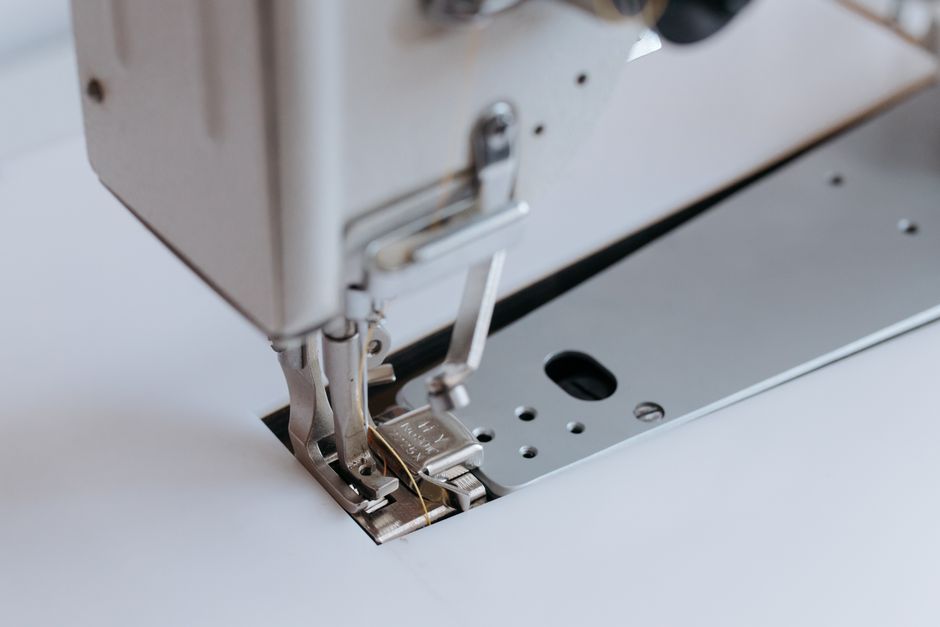
Every engineer loves specifics—and YKK zippers and buckles provide verified tolerances and lifecycle performance that surpass unknown brands. Strap adjustment mechanisms that slip or deform under load transform even the best leather into a failure. CivilDigital’s use of YKK components is a signpost for reliability on both strap durability and consistent fit, key to minimizing pressure points.
Durability Testing and Cycle Counts: The Scientific Grind
Testing strap edge pressure isn’t a one-shot measurement. It requires repeated cycle testing and real-world wear simulation. Here’s a methodical approach:
- Initial Gauge Measurement: Use a pocket ruler or caliper to measure edge thickness and radius. Engineer-grade tolerances for bag straps typically call for edge curvature radius > 3 mm to reduce digging.
- Fabric Compression Test: Using calibrated materials that mimic jacket fabric, measure depth of indentation under standardized load (e.g., 5 kg vertical force) using fine gauge sensors.
- Wear Simulation Cycle Count: Repeat loading/unloading cycles simulating shoulder movement—e.g., 10,000 cycles—to observe changes in edge shape and loss of cushioning.
- Return vs Keep Decision Threshold: Apply the 2 mm strap dig rule as pass/fail criteria. Straps digging deeper than 2 mm post-cycle require return or redesign; those within limit pass the comfort threshold.
Comparative Table: Strap Edge Shapes and Pressure Outcomes
Strap Edge Shape Initial Edge Radius (mm) Indentation Depth Under Load (mm) Cycle Count to Fail (if any) Return vs Keep Recommendation Sharp, Straight Cut 1.0 3.5 2,000 cycles (edge deformation) Return Beveled Edge 3.5 1.8 10,000+ cycles (stable) Keep Rounded, Thickened Edge 5.0 1.2 10,000+ cycles (minimal change) KeepPractical Tips for Engineers and Travelers
Before you buy your next messenger bag or insist on a return, carry a small pocket ruler and do a quick check:
- Measure the strap edge radius and thickness. Less than 2 mm radius? It’s probably going to dig in.
- Test compression yourself: Put the strap on and see if a 2 mm indentation appears through your jacket under load.
- Trust straps made with quality leather like certified full-grain vegetable-tanned Cuoio Superiore from Tuscany—they soften with use without losing edge shape.
- Look for bags with YKK hardware for consistent, predictable fit and adjustment.
Conclusion: Function, Precision, and Durability Win
The simple pain of a strap digging into your jacket is an engineer’s red flag for design failure. Using measurable tolerances like the 2 mm strap dig rule and applying rigorous durability testing and cycle counts ensures that a messenger bag performs as promised—not just looks the part. When brands like CivilDigital base their strap edge design on materials science and real-world cycle testing, and source certified full-grain Tuscany leather with reliable YKK hardware, that’s a signal worthy of your engineering trust.
Next time your bag pinches or prods, pull out your ruler and remember: in the world of executive travel gear, precision beats hype every time.